
Gold crowns
A gold crown in Ireland costs €625 to €1,100 a tooth, or €500 to €880 after 20% tax relief, and the price moves with the price of gold. Gold needs the least tooth removed, doesn't chip, and wears at about the same rate as enamel, so it's used on back teeth, most of all for people who grind.
Out of fashion, and still the crown many dentists would pick for their own back teeth.
Free to send, no obligation. One registered dentist rings you, not five.
- €625–€1,100per tooth, in our price guide
- €500–€880after 20% tax relief
- Back teethwhere it's used
- Least drillingof any crown material
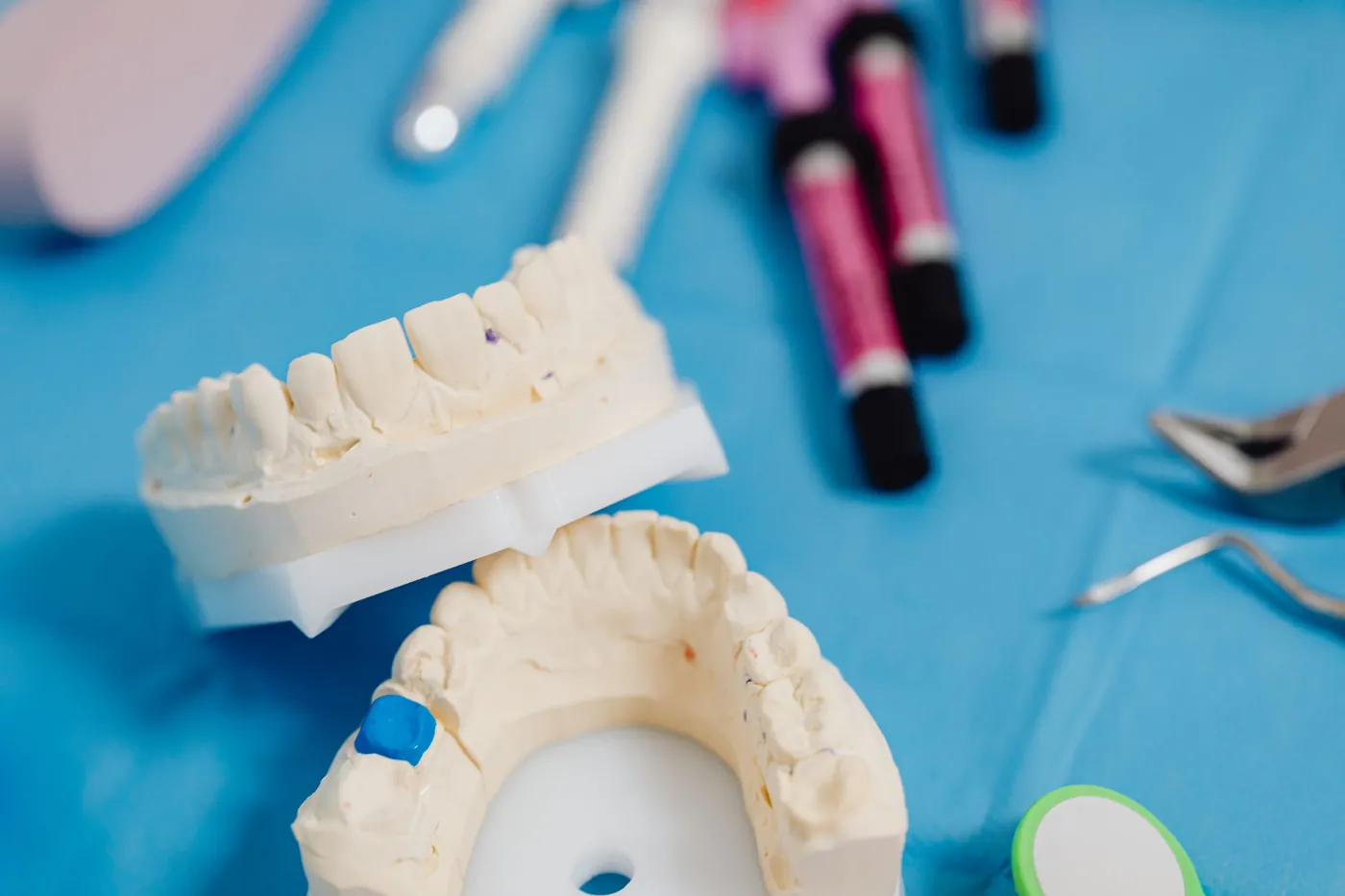
Why gold lasts
- It can be cast very thin, so more of your own tooth stays.
- It bends a little under load where porcelain would crack.
- It wears like enamel, so it's kind to the tooth it bites against.
- Its edge can be finished very closely to the tooth, which keeps decay out.
Check what your crown involves
Four quick taps. You see the kind of crown dentists most often use for that tooth, the likely cost and what's left after tax relief. Your number is only asked for at the end, if you want a price from a dentist.
Say a back tooth has cracked: that's usually a zirconia crown, €570 to €1,250 in our price guide, plus €60 to €92 for the exam and x-ray, with 20% of the crown back as tax relief.
How this is worked out
The kind of crown comes from where the tooth sits and what you tell us: all-ceramic where the tooth shows, zirconia where the chewing is heaviest or you grind, porcelain fused to metal where the price matters most, and a crown made for the implant where there is one. The prices are our price guide for Irish private practices, per tooth, plus an exam and a small x-ray. A tooth that has had root canal treatment often needs a post and core first, so that range is added to the top of the total. Tax relief is 20% of the crown and the post and core: crowns are on Revenue's list of non-routine dental treatment. It is a guide to plan with, never a diagnosis or a quote: the dentist decides after an examination and an x-ray.
The catch
It looks like gold. On an upper back tooth few people ever see it, and on a lower molar it shows when you laugh. The price also follows the gold market, so a practice may only give a firm figure when the crown is ordered.
Gold or zirconia
Solid zirconia (€570 to €1,250) has taken over most of gold's work because it is white and almost as tough. Gold still has the edge where space is tight and the tooth is short, because it works when it's thin.
Other types of crown
Where the tooth sits decides the material more than anything else.
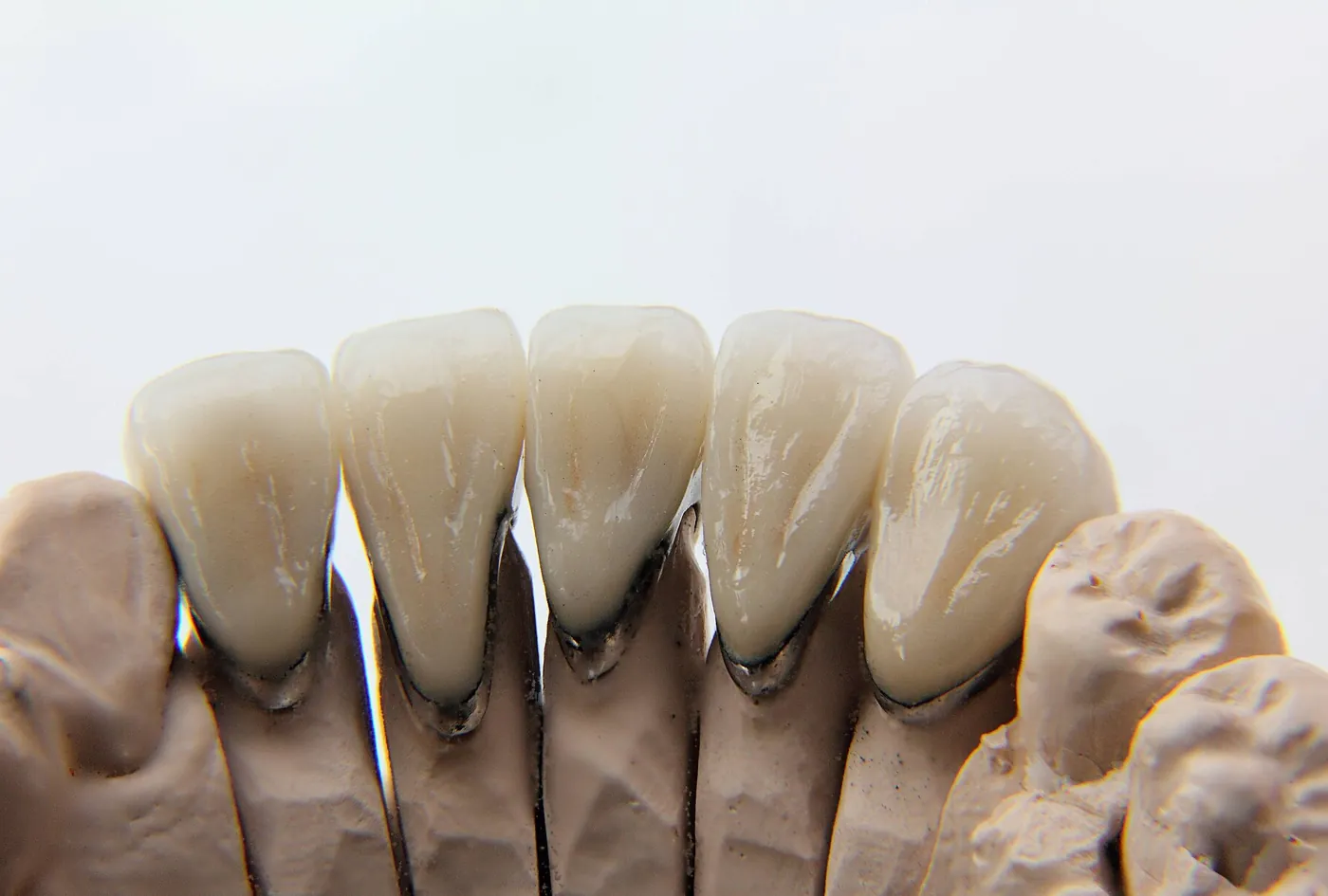 Porcelain crownsTooth-coloured all the way through, or porcelain over metal. €450 to €1,250 depending on which.
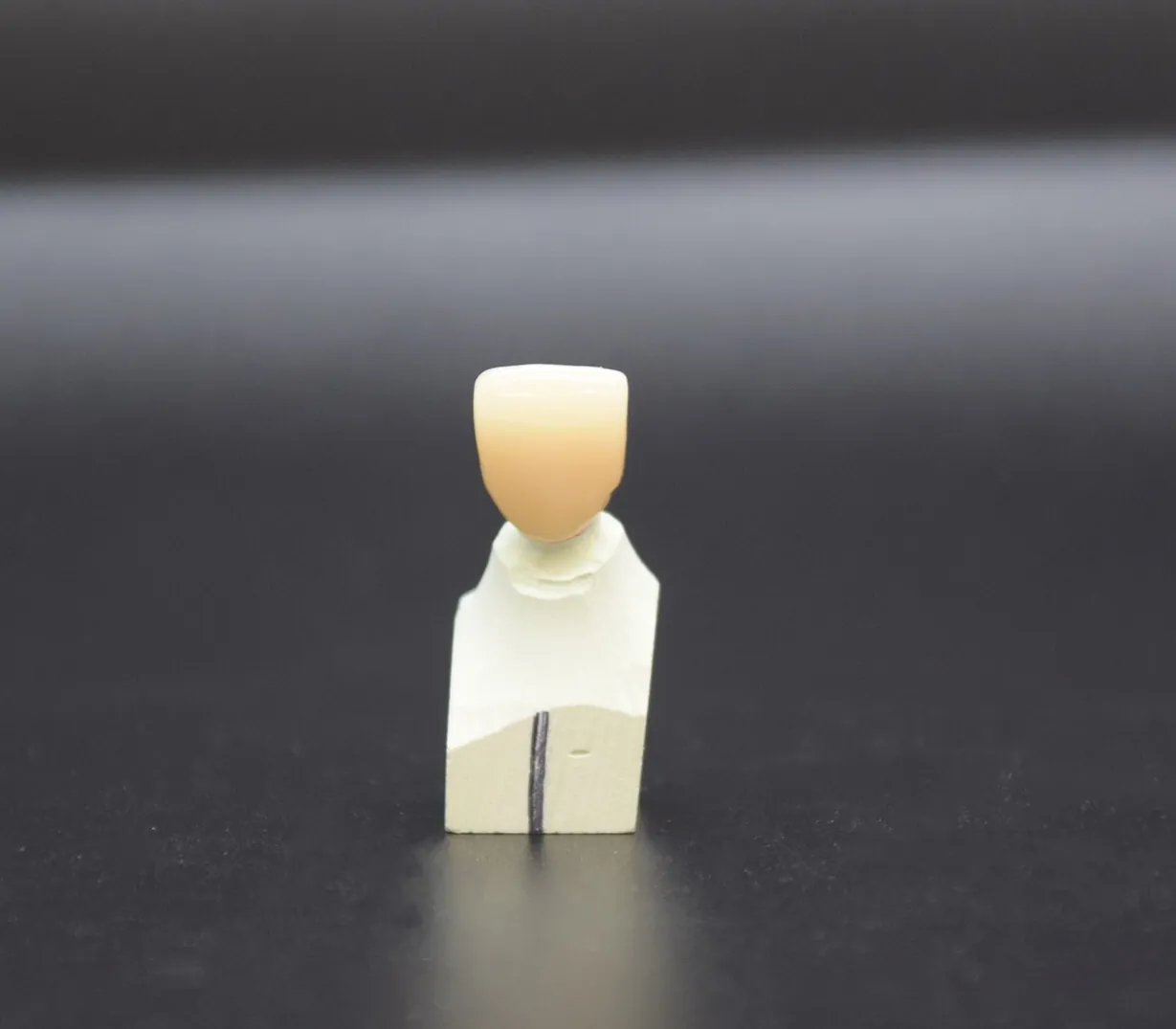 Zirconia crownsA very hard white ceramic, milled from one block. The usual pick for back teeth. €570 to €1,250.
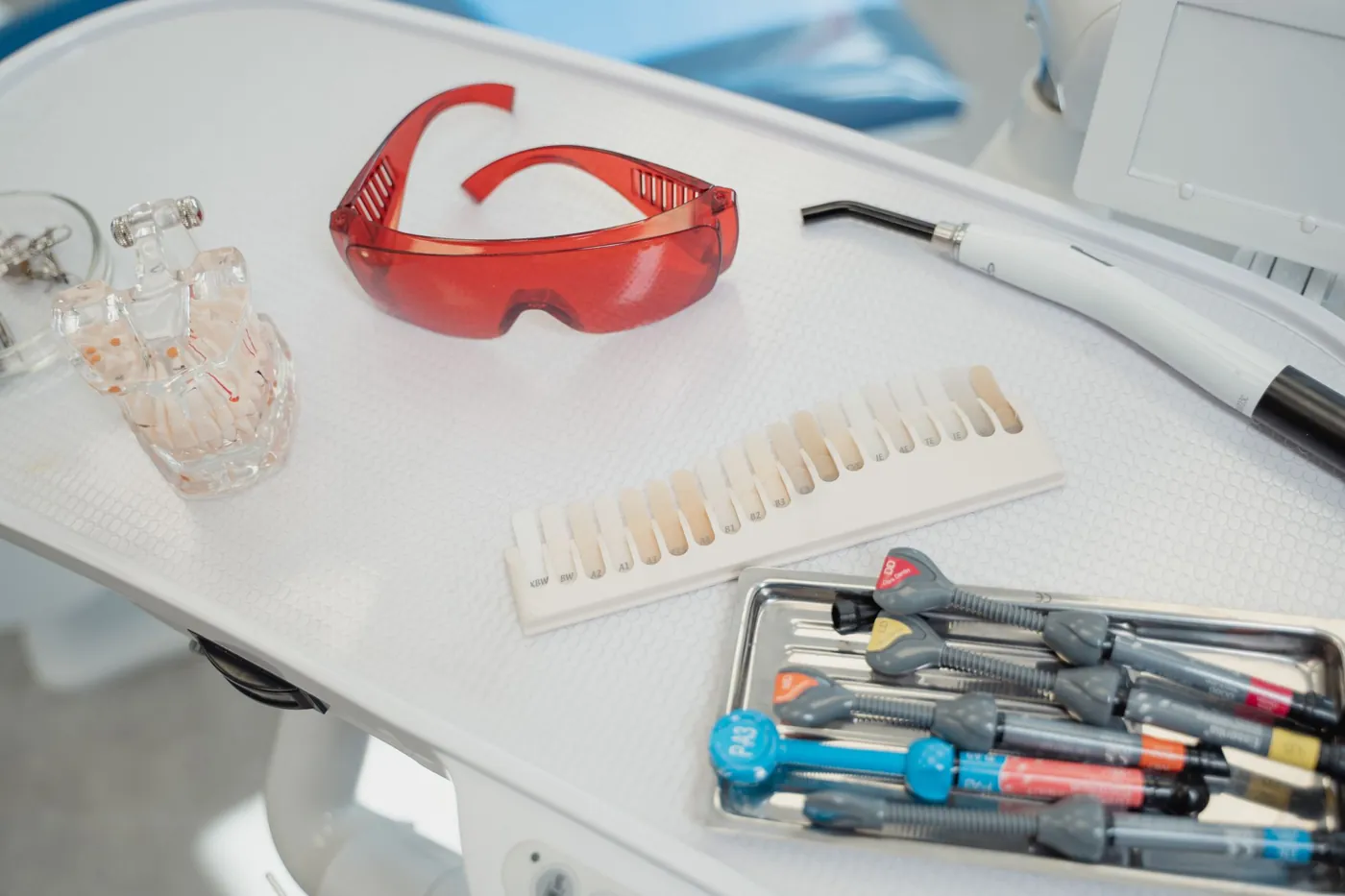 E.max crownsA glass ceramic that lets light through like enamel. The usual pick where the tooth shows. €450 to €900.
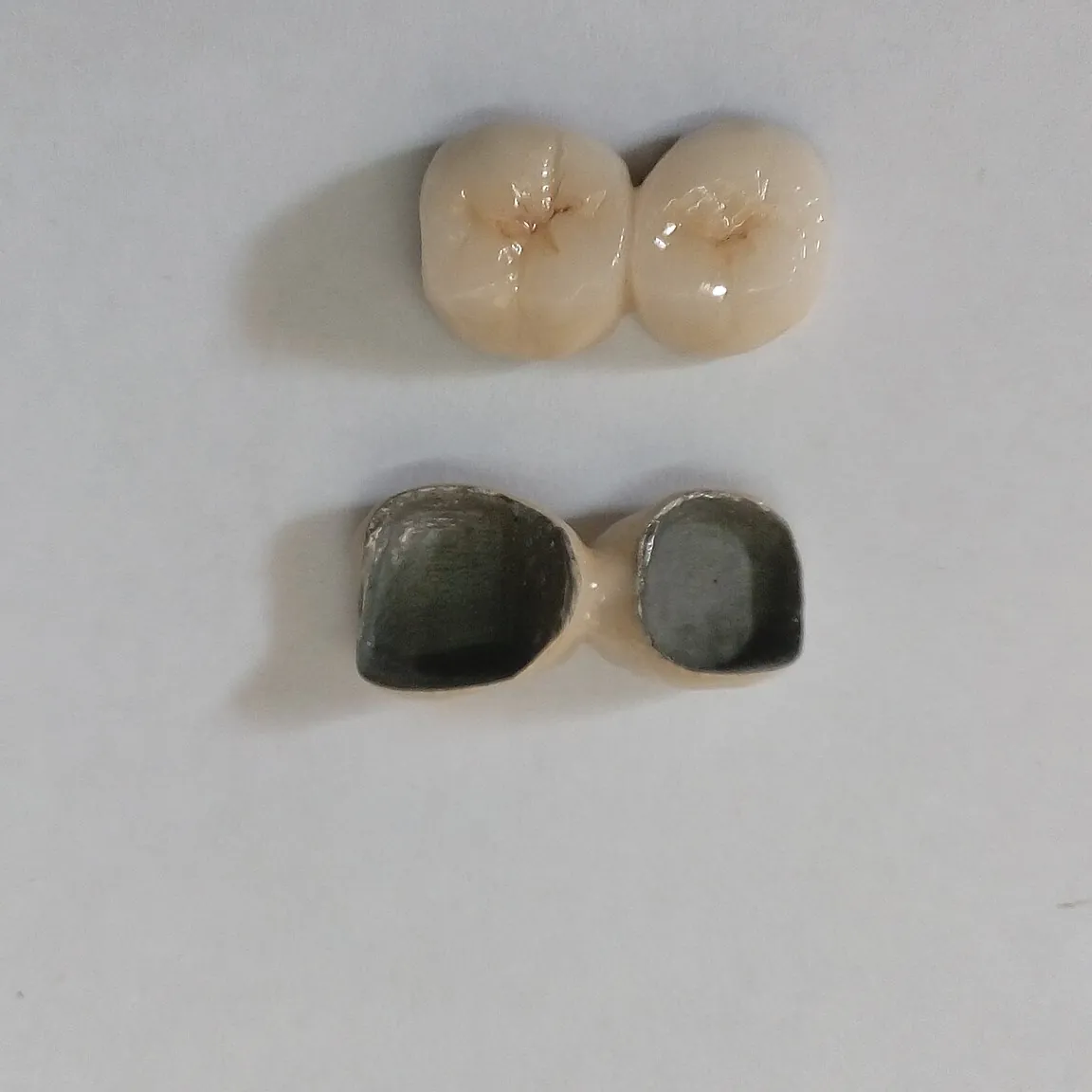 Porcelain fused to metalPorcelain over a metal shell. Decades of use, and the lower end of the range. €450 to €900.
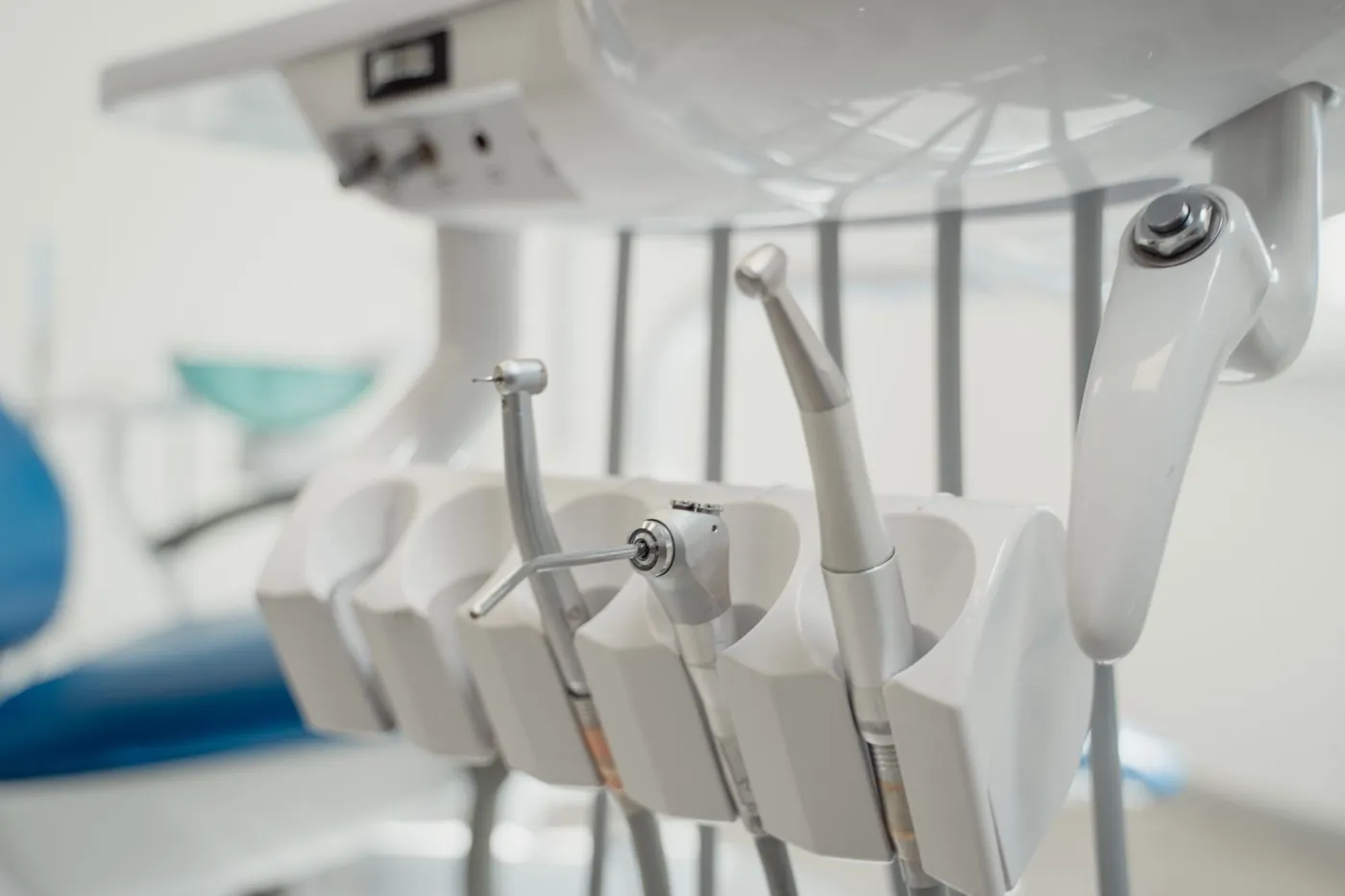 Same-day crownsScanned, milled in the practice and fitted in one visit, with no temporary crown.
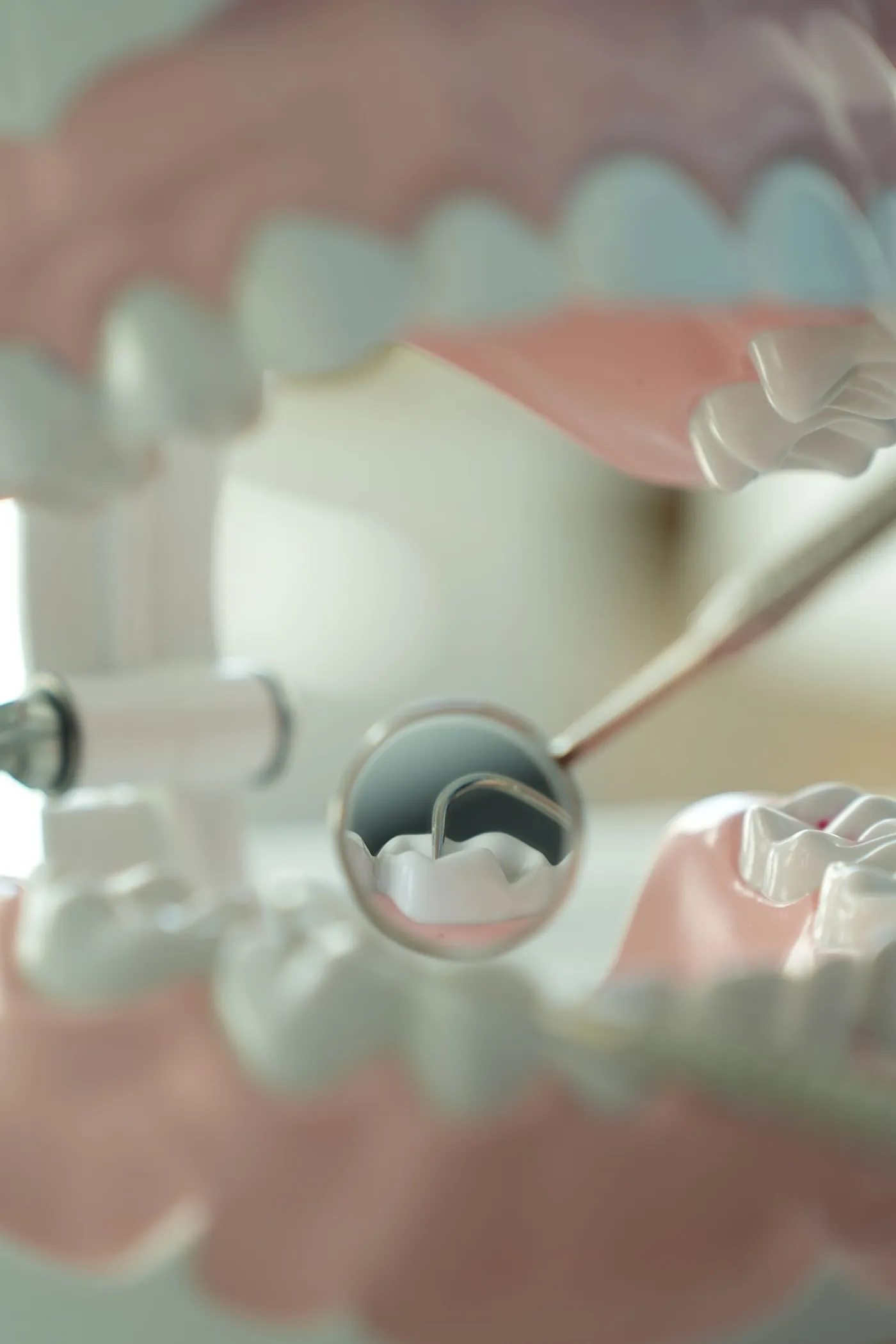 Crown on an implantMade to fit the implant, and screwed or cemented onto it. €950 to €1,235 for the crown.
Our crown price guide
Per tooth, before 20% tax relief.
| Job | Typical cost | What moves the price |
|---|---|---|
| Porcelain fused to metal crown | €450 to €900 | The metal under the porcelain: a precious alloy costs more |
| Zirconia crown | €570 to €1,250 | Milled in one piece, or layered with porcelain for a front tooth |
| E.max all-ceramic crown | €450 to €900 | The laboratory, and how much hand finishing the shade needs |
| Gold crown | €625 to €1,100 | The price of gold on the day it's made |
| Crown on an implant | €950 to €1,235 | The crown only. The implant is priced separately |
| Onlay or inlay | €230 to €850 | Composite, porcelain or gold, and how much of the tooth it covers |
| Post and core, before the crown | €120 to €400 | A fibre post or a cast metal one |
| Re-cementing a crown that came off | €55 to €80 | Only if the crown and the tooth are both sound |
| Exam, and a small x-ray | €40 to €66, €20 to €26 | A full panoramic x-ray is €50 to €81 |
Questions people ask
How much is a gold crown in Ireland?
€625 to €1,100 a tooth in our price guide, moving with the gold price. €500 to €880 after tax relief.
Is a gold crown pure gold?
No. It's an alloy: gold mixed with other metals to make it hard enough to chew on.
Do gold posts get tax relief too?
Yes. Revenue's list of non-routine dental treatment names crowns and gold posts.
Every crown guide and county
Types of crown
Guides
Check what your crown involves
Four taps to the likely crown, the cost and the tax relief. Then, if you want it, one Dental Council registered dentist who covers your county rings you.