
Zirconia crowns
A zirconia crown in Ireland costs €570 to €1,250 a tooth, or €456 to €1,000 after 20% tax relief. Zirconia is a very hard white ceramic, milled by machine from one block. It's the usual choice for back teeth and for people who grind, because it's very hard to break and has no metal in it.
The hard white ceramic used on back teeth, and its layered version for front teeth.
Free to send, no obligation. One registered dentist rings you, not five.
- €570–€1,250per tooth, in our price guide
- €456–€1,000after 20% tax relief
- No metalnothing dark at the gum line
- 1 or 2 visitsone where it's milled in-house
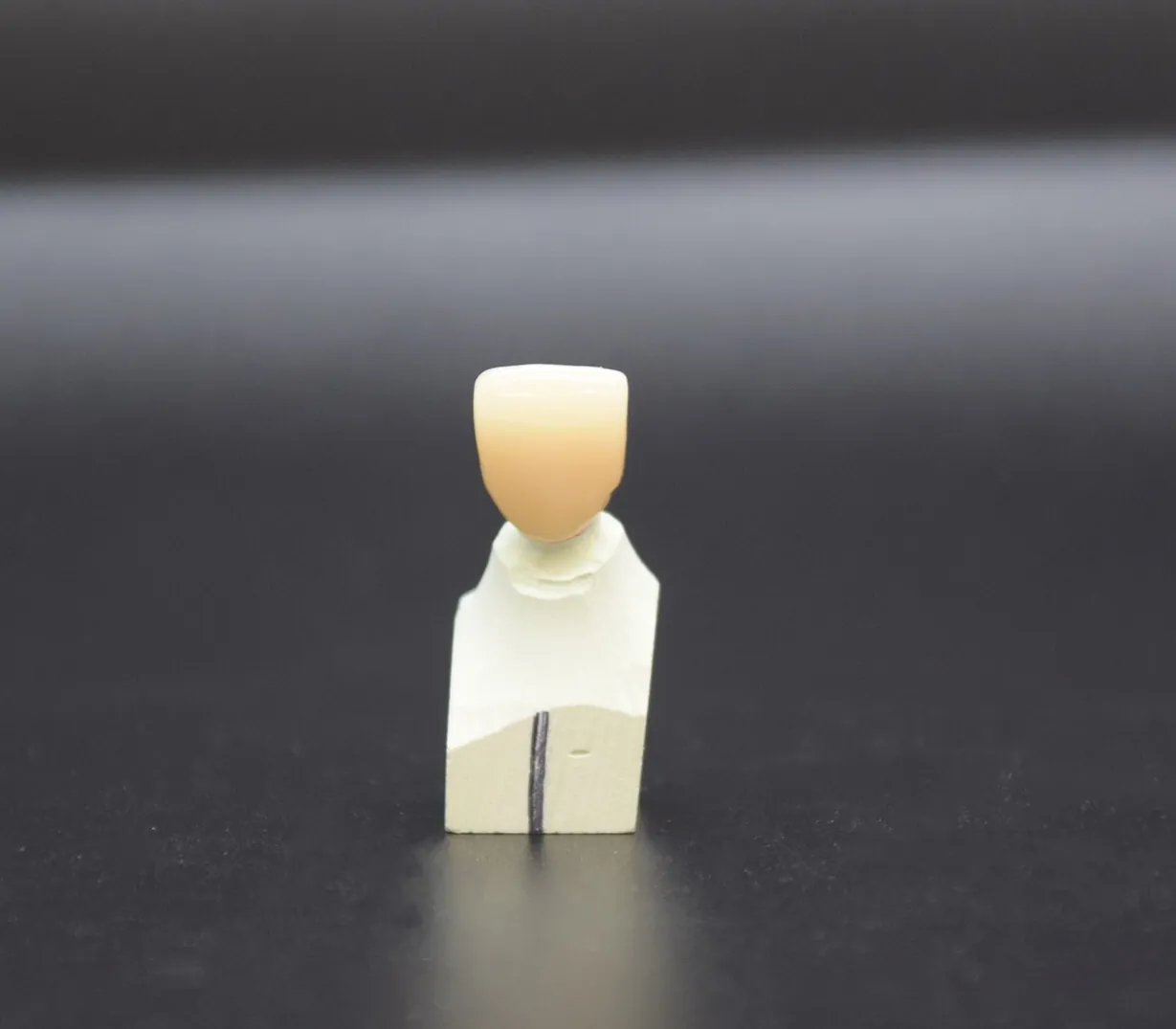
Solid or layered
- Solid (monolithic) zirconia. The whole crown is milled from one block, then stained and glazed. Nothing to chip off. Used on molars.
- Layered zirconia. A zirconia core with porcelain built over it by hand. More lifelike, so it's used on front teeth, but the porcelain layer can chip.
Newer zirconia lets more light through than the older, chalky-white kind, which is why it's now used further forward in the mouth.
Check what your crown involves
Four quick taps. You see the kind of crown dentists most often use for that tooth, the likely cost and what's left after tax relief. Your number is only asked for at the end, if you want a price from a dentist.
Say a back tooth has cracked: that's usually a zirconia crown, €570 to €1,250 in our price guide, plus €60 to €92 for the exam and x-ray, with 20% of the crown back as tax relief.
How this is worked out
The kind of crown comes from where the tooth sits and what you tell us: all-ceramic where the tooth shows, zirconia where the chewing is heaviest or you grind, porcelain fused to metal where the price matters most, and a crown made for the implant where there is one. The prices are our price guide for Irish private practices, per tooth, plus an exam and a small x-ray. A tooth that has had root canal treatment often needs a post and core first, so that range is added to the top of the total. Tax relief is 20% of the crown and the post and core: crowns are on Revenue's list of non-routine dental treatment. It is a guide to plan with, never a diagnosis or a quote: the dentist decides after an examination and an x-ray.
Why dentists pick it
- It can be made thin, so less of the tooth has to come off.
- It stands up to grinding and clenching.
- It has no metal, so there's no dark line if the gum recedes.
- It can be designed on screen and milled the same day in a practice with the machine.
What to ask
Ask whether the crown will be solid or layered, and who makes it. Ask how the biting surface will be finished: polished zirconia is kind to the tooth it bites against, and rough zirconia isn't.
Other types of crown
Where the tooth sits decides the material more than anything else.
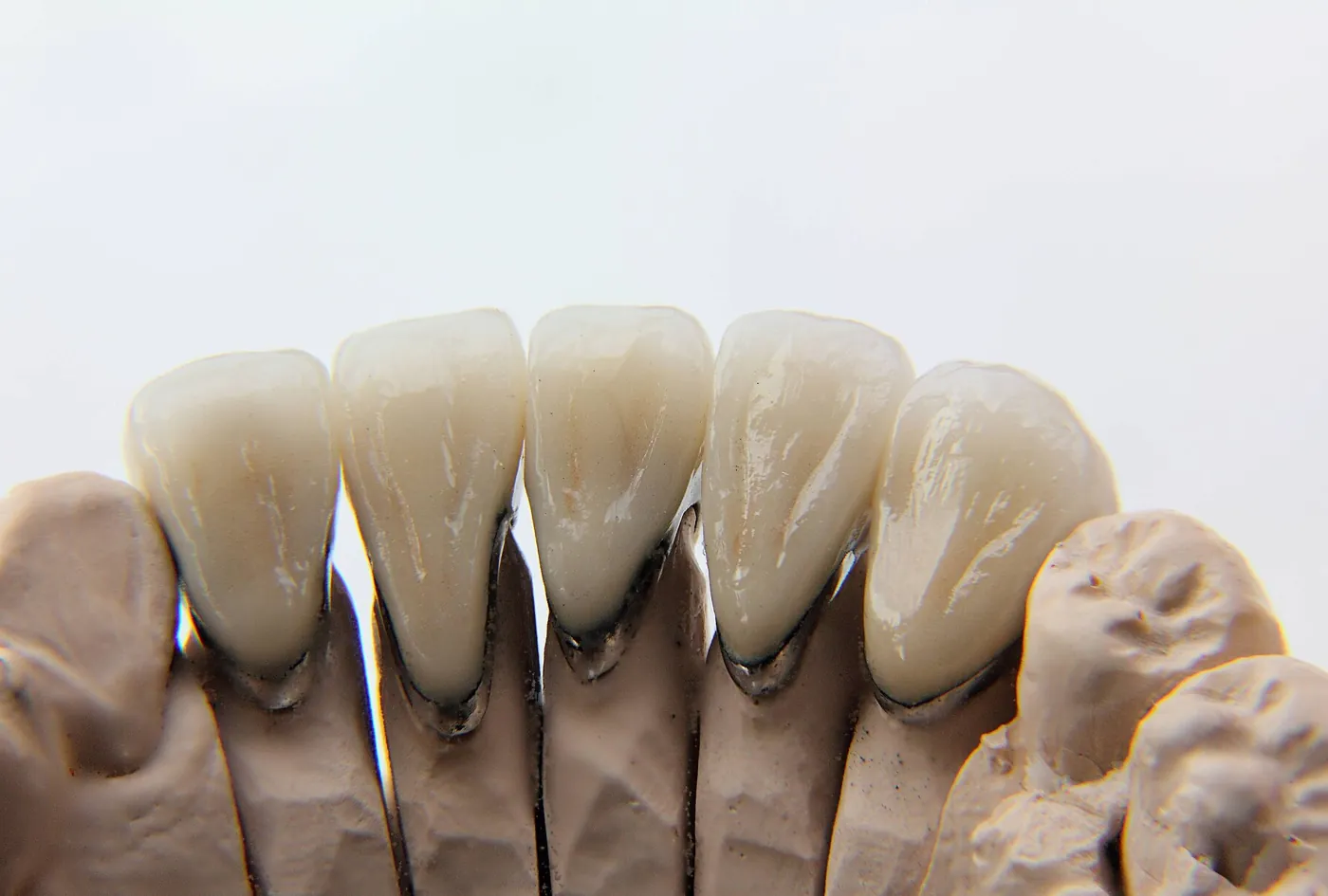 Porcelain crownsTooth-coloured all the way through, or porcelain over metal. €450 to €1,250 depending on which.
 E.max crownsA glass ceramic that lets light through like enamel. The usual pick where the tooth shows. €450 to €900.
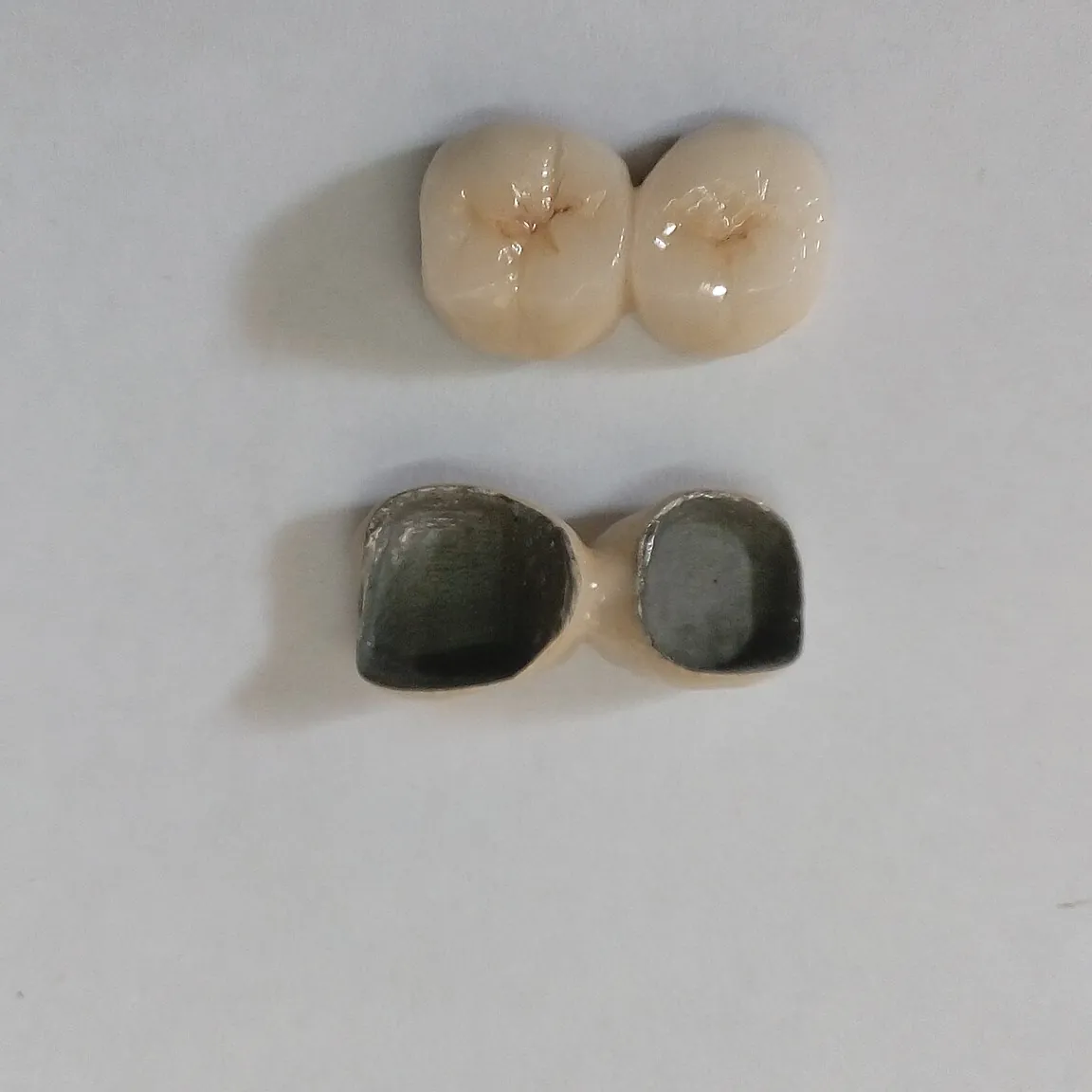 Porcelain fused to metalPorcelain over a metal shell. Decades of use, and the lower end of the range. €450 to €900.
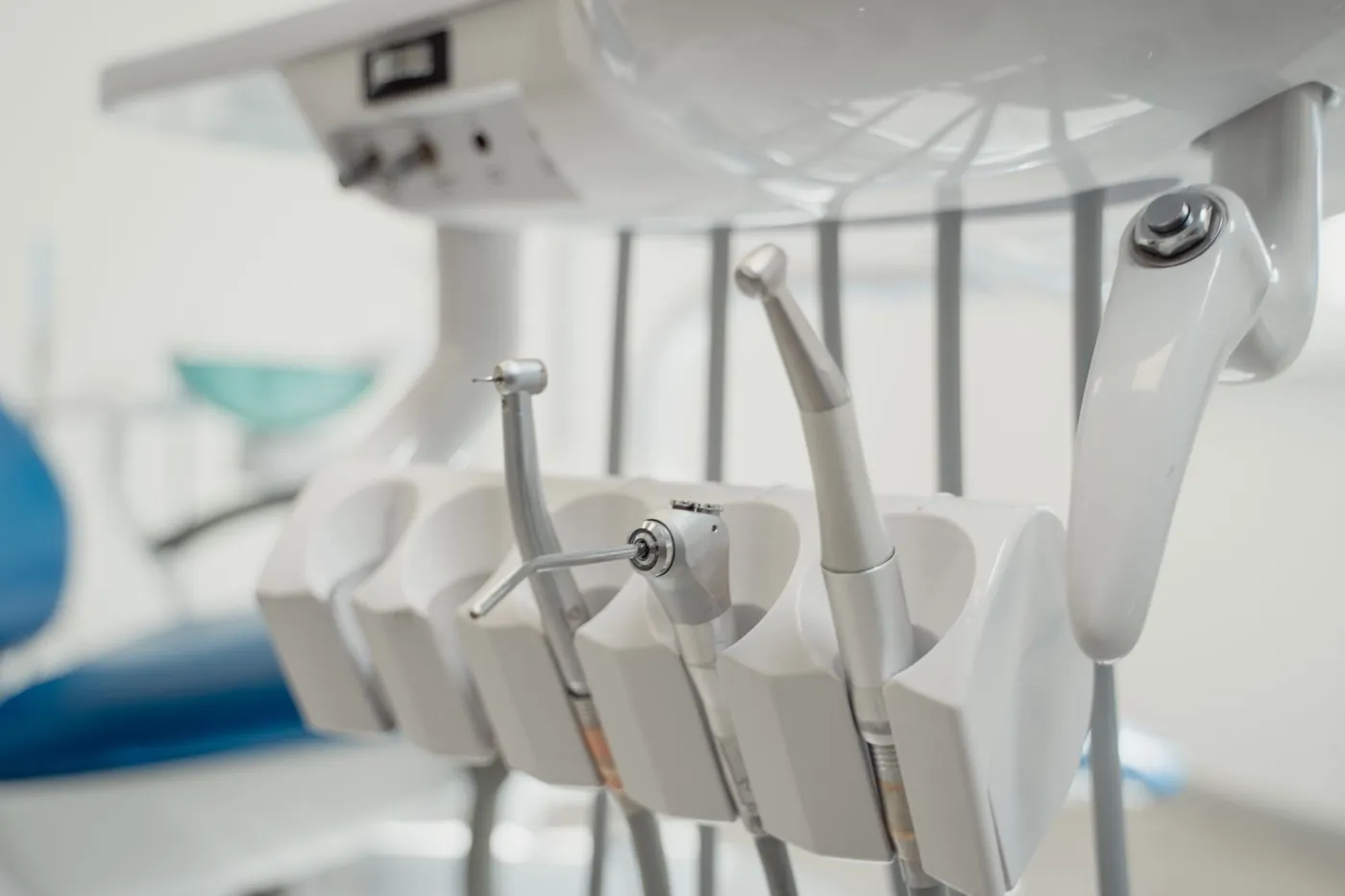 Same-day crownsScanned, milled in the practice and fitted in one visit, with no temporary crown.
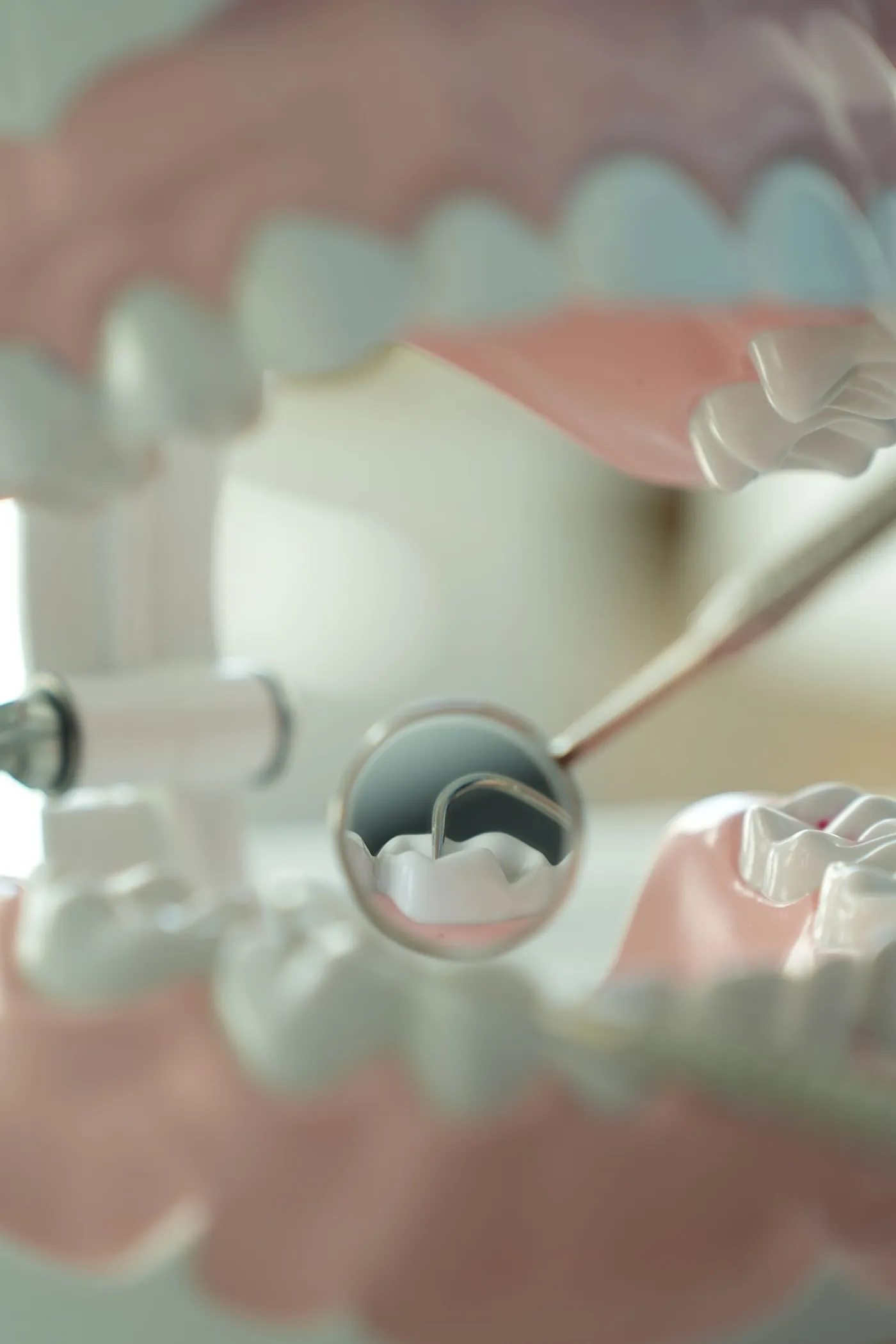 Crown on an implantMade to fit the implant, and screwed or cemented onto it. €950 to €1,235 for the crown.
Our crown price guide
Per tooth, before 20% tax relief.
| Job | Typical cost | What moves the price |
|---|---|---|
| Porcelain fused to metal crown | €450 to €900 | The metal under the porcelain: a precious alloy costs more |
| Zirconia crown | €570 to €1,250 | Milled in one piece, or layered with porcelain for a front tooth |
| E.max all-ceramic crown | €450 to €900 | The laboratory, and how much hand finishing the shade needs |
| Gold crown | €625 to €1,100 | The price of gold on the day it's made |
| Crown on an implant | €950 to €1,235 | The crown only. The implant is priced separately |
| Onlay or inlay | €230 to €850 | Composite, porcelain or gold, and how much of the tooth it covers |
| Post and core, before the crown | €120 to €400 | A fibre post or a cast metal one |
| Re-cementing a crown that came off | €55 to €80 | Only if the crown and the tooth are both sound |
| Exam, and a small x-ray | €40 to €66, €20 to €26 | A full panoramic x-ray is €50 to €81 |
Questions people ask
How much is a zirconia crown in Ireland?
€570 to €1,250 a tooth in our price guide, €456 to €1,000 after tax relief.
Is zirconia the same as cubic zirconia?
No. Cubic zirconia is the clear stone used in jewellery. Dental zirconia is a white, opaque ceramic made from the same element, in a different crystal form.
Is zirconia better than porcelain?
It's stronger. Porcelain, and E.max in particular, can look closer to enamel. That's why zirconia is used most at the back and all-ceramic porcelain most at the front.
Will a zirconia crown wear down my other teeth?
Polished zirconia is gentle on the opposite tooth. A crown that has been adjusted and left rough can wear it, so the dentist polishes it again after any adjustment.
Every crown guide and county
Types of crown
Guides
Check what your crown involves
Four taps to the likely crown, the cost and the tax relief. Then, if you want it, one Dental Council registered dentist who covers your county rings you.